
From Low Returns to High Profits: Simple ROI Hacks You Need Today
in today’s competitiv business environment, maximizing your Return on Investment (ROI) is essential for sustainable growth and long-term success. Whether you are running a small business, managing digital marketing campaigns, or operating an e-commerce platform, improving ROI means getting the most value from every rupee you spend.
The good news is that increasing ROI doesn’t always require a huge budget or complex strategies. By applying simple, smart, and consistent techniques, you can significantly improve your profitability and overall business performance.
Set Clear Goals and Track Performance
The first step to increasing ROI is defining clear and measurable goals. Without proper targets, it’s difficult to evaluate success.
Focus on:
- Revenue growth
- Lead generation
- Conversion rates
- Customer acquisition cost (CAC)
Use analytics tools like Google Analytics to monitor your performance and identify areas that need improvement. Tracking data helps you make informed decisions and avoid unnecessary expenses.


Focus on High-Converting Channels
Not all marketing channels deliver the same results. To maximize ROI, identify which platforms generate the highest conversions and focus your efforts there.
Common high-ROI channels include:
- Search Engine Optimization (SEO)
- Pay-Per-Click (PPC) advertising
- Email marketing
- Social media marketing
Analyze your campaigns regularly and invest more in the channels that bring the best returns.
Improve Your Website Conversion Rate
Driving traffic is important, but converting visitors into customers is what truly impacts ROI.
To improve conversions:
- Use clear and compelling call-to-action (CTA)
- Simplify website navigation
- Optimize landing pages
- Add customer testimonials and trust signals
- Ensure fast loading speed
Even small improvements in conversion rates can lead to a significant increase in ROI.
- Does the channel allow me to express my brand’s intended message?
- Do the channels I’m considering work together to convey my message?

Reduce Unnecessary Costs
Increasing ROI is not only about boosting revenue but also about controlling expenses.
Ways to reduce costs:
- Eliminate underperforming ads or campaigns
- Automate repetitive tasks
- Use cost-effective marketing tools
- Outsource strategically
By cutting wasteful spending, you can improve your profit margins without increasing your budget.
Leverage Data-Driven Marketing
Data is one of the most powerful tools for improving ROI. By analyzing user behavior, preferences, and engagement patterns, you can create more targeted and effective campaigns.
Key actions:
- Use audience segmentation
- Personalize marketing messages
- A/B test ads and landing pages
- Optimize campaigns based on real-time data
Data-driven decisions lead to better targeting and higher returns.
Invest in Customer Retention
Acquiring new customers is often more expensive than retaining existing ones. Focusing on customer retention can significantly improve ROI.
Strategies include:
- Loyalty programs
- Email follow-ups
- Personalized offers
- Excellent customer service
Happy customers are more likely to make repeat purchases and refer others to your business.
Optimize Your Pricing Strategy
Your pricing directly affects your ROI. Setting the right price ensures profitability while remaining competitive.
Consider:
- Market demand
- Competitor pricing
- Customer perception
- Value-based pricing
Regularly reviewing and adjusting your pricing strategy can help maximize returns.
Increasing your ROI doesn’t require complicated strategies or massive investments. By focusing on simple yet effective techniques like improving conversions, reducing costs, leveraging data, and enhancing customer experience, you can achieve better results with your existing resources.
Remember, consistency and smart decision-making are key. Start implementing these simple ways today, and you’ll gradually see improvements in your ROI, business growth, and overall success.

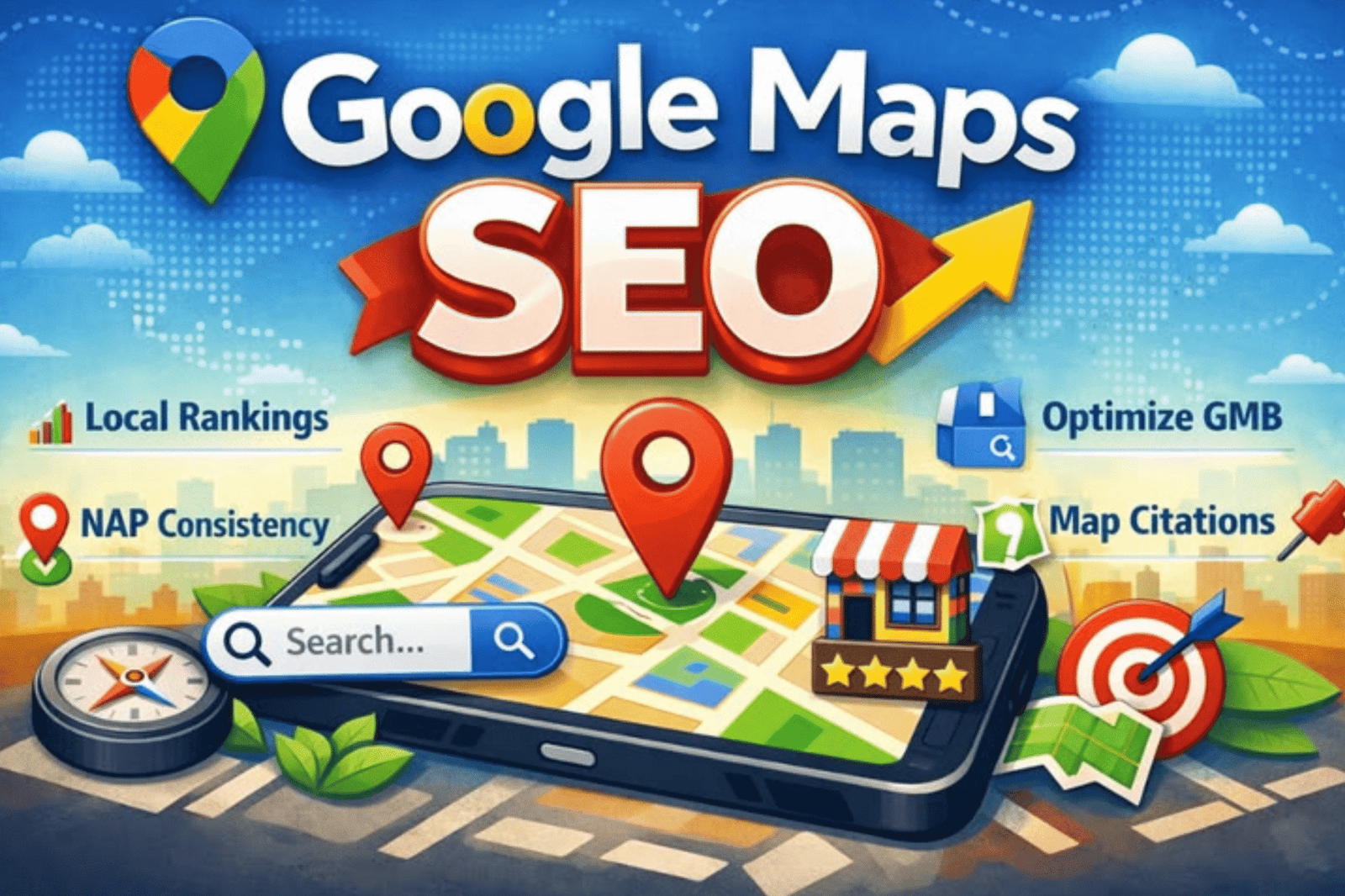
Google My Business Optimization (SEO Guide)
google My Business optimization—now officially known as Google Business Profile optimization—is one of the most powerful ways to improve your local SEO and attract more customers online. Whether you run a small shop or a growing company, optimizing your business profile helps you appear in local search results, Google Maps, and the highly visible “Local Pack.”
What is Google My Business Optimization?
Google My Business (GMB) optimization is the process of improving your business listing to rank higher in local search results. A well-optimized profile increases your visibility when potential customers search for services “near me” or within your city.
Why is Google My Business Important for SEO?
- Boosts local search rankings
- Increases website traffic and phone calls
- Enhances brand trust with reviews and ratings
- Helps customers find your location easily on Google Maps


Key Elements of Google My Business Optimization
1. Complete Your Business Profile
Ensure that your business name, address, phone number (NAP), website, and business hours are accurate and consistent.
2. Choose the Right Categories
Selecting relevant primary and secondary categories helps Google understand your business and show it for the right searches.
3. Optimize Business Description
Write a clear, keyword-rich description that explains your services, location, and unique value.
4. Add High-Quality Images
Upload professional photos of your business, products, and services to increase engagement and trust.
5. Collect and Respond to Reviews
Encourage happy customers to leave positive reviews and respond to them regularly to build credibility.
6. Use Keywords Strategically
Include local SEO keywords like “best [service] in [city]” naturally in your profile and posts.
7. Post Regular Updates
Share offers, updates, and news using Google Posts to keep your profile active and engaging.
Always Remember Your Goals!
Optimizing your Google Business Profile is essential for any business looking to grow locally. With the right strategy, you can improve your visibility, attract more leads, and stay ahead of competitors in your area.Start optimizing today and turn your local searches into real customers! 🚀
Optimizing your Google Business Profile is not a one-time task—it’s an ongoing process. Regular updates, consistent engagement, and strategic keyword usage can significantly boost your local visibility and bring in high-quality leads.
Don’t let your competitors take your customers.Start ranking on Google and grow your business faster with expert Google Business Profile optimization.

Simple Ways To Optimize Your Website For SEO
IIn today’s competitive digital landscape, having a website is not enough—you need to ensure that your website is easily discoverable by your target audience. This is where Search Engine Optimization (SEO) plays a crucial role. SEO is the process of improving your website’s visibility on search engines like Google, helping you attract more organic traffic, generate leads, and grow your business online.
If you’re a beginner or even an experienced website owner, the good news is that you don’t always need complex strategies to see results. By implementing simple yet effective SEO techniques, you can significantly improve your rankings and online presence.
Start With Smart Keyword Research
Keyword research is the foundation of any successful SEO strategy. It helps you understand what your audience is searching for and how you can align your content with their needs.
Focus on:
- Primary keywords (e.g., website SEO optimization)
- Long-tail keywords (e.g., simple ways to optimize your website for SEO)
- Location-based keywords (for local businesses)
Use tools like Google Keyword Planner, Ubersuggest, or Ahrefs to find high-volume, low-competition keywords. Once identified, naturally include these keywords in your:
- Page titles
- Headings (H1, H2, H3)
- Meta descriptions
- Content body
- URLs
Avoid keyword stuffing, as it can harm your rankings.
Create High-Quality, Valuable Content
Content is the backbone of SEO. Search engines prioritize websites that provide helpful, relevant, and engaging information to users.
To create SEO-friendly content:
- Write clear, informative, and original articles
- Answer user questions and solve real problems
- Use simple language and proper formatting
- Add bullet points, headings, and short paragraphs
- Update your content regularly
Publishing blog posts, guides, and tutorials can increase your website’s authority and keep visitors engaged longer.
Optimize On-Page SEO Elements
On-page SEO ensures that each page of your website is properly structured and optimized for search engines.
Key elements include:
- Title Tags: Include your main keyword and keep it under 60 characters
- Meta Descriptions: Write compelling summaries to improve click-through rates
- Header Tags: Use H1 for titles and H2/H3 for subheadings
- Image Optimization: Add alt text and compress images
- Internal Linking: Link to other relevant pages on your website
A well-optimized page makes it easier for search engines to crawl and understand your content.
Build High-Quality Backlinks
Backlinks (links from other websites to yours) are a strong signal of trust and authority.
Effective ways to build backlinks:
- Guest posting on reputable blogs
- Creating shareable content (infographics, guides)
- Listing your business in directories
- Collaborating with influencers or partners
Focus on quality over quantity—links from authoritative websites are far more valuable.
Focus on Technical SEO
Technical SEO ensures that your website meets the technical requirements of search engines.
Important aspects include:
- Secure website (HTTPS)
- XML sitemap submission
- Clean URL structure
- Fixing broken links
- Optimizing robots.txt file
These elements help search engines crawl and index your website more effectively.
Optimize for Local SEO
If you run a local business, local SEO is essential for attracting nearby customers.
Key steps:
- Create and optimize your Google Business Profile
- Use local keywords (e.g., “SEO services in Kolkata”)
- Collect customer reviews
- Add your business to local directories
Local SEO helps your website appear in location-based searches and Google Maps.
Optimizing your website for SEO doesn’t have to be complicated. By focusing on simple strategies like keyword research, high-quality content, on-page optimization, and improving user experience, you can steadily improve your search engine rankings.
Consistency is the key to success. SEO is not a one-time task but a continuous process that delivers long-term results. Start implementing these simple SEO techniques today, and watch your website grow in visibility, traffic, and success.
How to Increase Your ROI Through scientific SEM?

Remember: even if the channel you’re considering is all the rage right now, it might not fit your brand. Always make informed decisions that directly relate to your company. Otherwise, your message won’t be delivered to its intended audience and you’ll have wasted time, effort and money.
Know Your Digital Goals
The first step is clearly identifying which goals you want to achieve. Get specific. Do you want to increase brand awareness? Are you all about locking in leads? Do you want to establish a strong network of influencers that can help you be discovered? How about pushing engagement on social media?

- Nulla aliquet convallis augue in placerat. In vulputate diam eu rutrum sagittis.
- Ut mollis varius ipsum. Proin aliquet interdum quam a dictum.
- Integer auctor orci et nibh consectetur, ut semper dolor sollicitudin.
- Quisque tincidunt id urna vel efficitur. Morbi tempor ligula ligula, eu vehicula ex vehicula quis.
Always Remember Your Goals!
Establishing a solid vision for your business is the first step to planning your digital marketing budget. Always keep your final goals in sight when organising anything for your company. When deciding which steps to take next in your business, ask yourself how they will help you achieve the goals you outlined in Step #1. This will ensure that you stay on track and prevent you from spending your budget on anything that won’t help you achieve.
"I understand myself more clearly now and have begun to make positive changes in my life. There was such a high level of customer service."
As your budget progresses and evolves, continue referring to your SMART objectives. Stay focused and remember your goals – they will always inform what your next step will be!

Share Your Images & Be Featured
Want to know the one thing that every successful digital marketer does first to ensure they get the biggest return on their marketing budget? It’s simple: goal-setting. This is an absolutely essential practice for any digital marketer who knows how to execute their campaigns in a productive, cost-effective way. With a few. With a few simple tips, you can be doing the same in no time! In this blog, we’ll walk you through the first steps every savvy digital marketer takes to ensure that they’re on target to hit all their marketing objectives. Get ready for revenue!
Remember: even if the channel you’re considering is all the rage right now, it might not fit your brand. Always make informed decisions that directly relate to your company. Otherwise, your message won’t be delivered to its intended audience and you’ll have wasted time, effort and money.
Know Your Digital Goals
The first step is clearly identifying which goals you want to achieve. Get specific. Do you want to increase brand awareness? Are you all about locking in leads? Do you want to establish a strong network of influencers that can help you be discovered? How about pushing engagement on social media?
Get Specific
A useful tool for narrowing down your goals to ensure they’re viable is the SMART mnemonic. It’s important to get specific to understand exactly what you’re working towards, and help you break down the process of hitting your targets. This is exactly what this mnemonic helps you to achieve.
- Does the channel reach my intended audience?
- Is the channel sustainable and affordable within my company’s marketing budget?
- Will I be able to measure the success of the channel?
- Does the channel allow me to express my brand’s intended message?
- Do the channels I’m considering work together to convey my message?
Always Remember Your Goals!
Establishing a solid vision for your business is the first step to planning your digital marketing budget. Always keep your final goals in sight when organising anything for your company. When deciding which steps to take next in your business, ask yourself how they will help you achieve the goals you outlined in Step #1. This will ensure that you stay on track and prevent you from spending your budget on anything that won’t help you achieve.
Cum et essent similique. Inani propriae menandri sed in. Pericula expetendis has no,
quo populo forensibus contentiones et, nibh error in per.Denis Robinson
As your budget progresses and evolves, continue referring to your SMART objectives. Stay focused and remember your goals – they will always inform what your next step will be!

AMAZING Natural Light Portraits in a Garage?
Want to know the one thing that every successful digital marketer does first to ensure they get the biggest return on their marketing budget? It’s simple: goal-setting. This is an absolutely essential practice for any digital marketer who knows how to execute their campaigns in a productive, cost-effective way. With a few. With a few simple tips, you can be doing the same in no time! In this blog, we’ll walk you through the first steps every savvy digital marketer takes to ensure that they’re on target to hit all their marketing objectives. Get ready for revenue!
Remember: even if the channel you’re considering is all the rage right now, it might not fit your brand. Always make informed decisions that directly relate to your company. Otherwise, your message won’t be delivered to its intended audience and you’ll have wasted time, effort and money.
Know Your Digital Goals
The first step is clearly identifying which goals you want to achieve. Get specific. Do you want to increase brand awareness? Are you all about locking in leads? Do you want to establish a strong network of influencers that can help you be discovered? How about pushing engagement on social media?
Get Specific
A useful tool for narrowing down your goals to ensure they’re viable is the SMART mnemonic. It’s important to get specific to understand exactly what you’re working towards, and help you break down the process of hitting your targets. This is exactly what this mnemonic helps you to achieve.
- Does the channel reach my intended audience?
- Is the channel sustainable and affordable within my company’s marketing budget?
- Will I be able to measure the success of the channel?
- Does the channel allow me to express my brand’s intended message?
- Do the channels I’m considering work together to convey my message?
Always Remember Your Goals!
Establishing a solid vision for your business is the first step to planning your digital marketing budget. Always keep your final goals in sight when organising anything for your company. When deciding which steps to take next in your business, ask yourself how they will help you achieve the goals you outlined in Step #1. This will ensure that you stay on track and prevent you from spending your budget on anything that won’t help you achieve.
Cum et essent similique. Inani propriae menandri sed in. Pericula expetendis has no,
quo populo forensibus contentiones et, nibh error in per.Denis Robinson
As your budget progresses and evolves, continue referring to your SMART objectives. Stay focused and remember your goals – they will always inform what your next step will be!

How to Shoot Photos that DEMAND Attention
Want to know the one thing that every successful digital marketer does first to ensure they get the biggest return on their marketing budget? It’s simple: goal-setting. This is an absolutely essential practice for any digital marketer who knows how to execute their campaigns in a productive, cost-effective way. With a few. With a few simple tips, you can be doing the same in no time! In this blog, we’ll walk you through the first steps every savvy digital marketer takes to ensure that they’re on target to hit all their marketing objectives. Get ready for revenue!
Remember: even if the channel you’re considering is all the rage right now, it might not fit your brand. Always make informed decisions that directly relate to your company. Otherwise, your message won’t be delivered to its intended audience and you’ll have wasted time, effort and money.
Know Your Digital Goals
The first step is clearly identifying which goals you want to achieve. Get specific. Do you want to increase brand awareness? Are you all about locking in leads? Do you want to establish a strong network of influencers that can help you be discovered? How about pushing engagement on social media?
Get Specific
A useful tool for narrowing down your goals to ensure they’re viable is the SMART mnemonic. It’s important to get specific to understand exactly what you’re working towards, and help you break down the process of hitting your targets. This is exactly what this mnemonic helps you to achieve.
- Does the channel reach my intended audience?
- Is the channel sustainable and affordable within my company’s marketing budget?
- Will I be able to measure the success of the channel?
- Does the channel allow me to express my brand’s intended message?
- Do the channels I’m considering work together to convey my message?
Always Remember Your Goals!
Establishing a solid vision for your business is the first step to planning your digital marketing budget. Always keep your final goals in sight when organising anything for your company. When deciding which steps to take next in your business, ask yourself how they will help you achieve the goals you outlined in Step #1. This will ensure that you stay on track and prevent you from spending your budget on anything that won’t help you achieve.
Cum et essent similique. Inani propriae menandri sed in. Pericula expetendis has no,
quo populo forensibus contentiones et, nibh error in per.Denis Robinson
As your budget progresses and evolves, continue referring to your SMART objectives. Stay focused and remember your goals – they will always inform what your next step will be!

Furniture Company Appoints Retail Heavyweight
Want to know the one thing that every successful digital marketer does first to ensure they get the biggest return on their marketing budget? It’s simple: goal-setting. This is an absolutely essential practice for any digital marketer who knows how to execute their campaigns in a productive, cost-effective way. With a few. With a few simple tips, you can be doing the same in no time! In this blog, we’ll walk you through the first steps every savvy digital marketer takes to ensure that they’re on target to hit all their marketing objectives. Get ready for revenue!
Remember: even if the channel you’re considering is all the rage right now, it might not fit your brand. Always make informed decisions that directly relate to your company. Otherwise, your message won’t be delivered to its intended audience and you’ll have wasted time, effort and money.
Know Your Digital Goals
The first step is clearly identifying which goals you want to achieve. Get specific. Do you want to increase brand awareness? Are you all about locking in leads? Do you want to establish a strong network of influencers that can help you be discovered? How about pushing engagement on social media?
Get Specific
A useful tool for narrowing down your goals to ensure they’re viable is the SMART mnemonic. It’s important to get specific to understand exactly what you’re working towards, and help you break down the process of hitting your targets. This is exactly what this mnemonic helps you to achieve.
- Does the channel reach my intended audience?
- Is the channel sustainable and affordable within my company’s marketing budget?
- Will I be able to measure the success of the channel?
- Does the channel allow me to express my brand’s intended message?
- Do the channels I’m considering work together to convey my message?
Always Remember Your Goals!
Establishing a solid vision for your business is the first step to planning your digital marketing budget. Always keep your final goals in sight when organising anything for your company. When deciding which steps to take next in your business, ask yourself how they will help you achieve the goals you outlined in Step #1. This will ensure that you stay on track and prevent you from spending your budget on anything that won’t help you achieve.
Cum et essent similique. Inani propriae menandri sed in. Pericula expetendis has no,
quo populo forensibus contentiones et, nibh error in per.Denis Robinson
As your budget progresses and evolves, continue referring to your SMART objectives. Stay focused and remember your goals – they will always inform what your next step will be!

Compare Photo Views
Want to know the one thing that every successful digital marketer does first to ensure they get the biggest return on their marketing budget? It’s simple: goal-setting. This is an absolutely essential practice for any digital marketer who knows how to execute their campaigns in a productive, cost-effective way. With a few. With a few simple tips, you can be doing the same in no time! In this blog, we’ll walk you through the first steps every savvy digital marketer takes to ensure that they’re on target to hit all their marketing objectives. Get ready for revenue!
Remember: even if the channel you’re considering is all the rage right now, it might not fit your brand. Always make informed decisions that directly relate to your company. Otherwise, your message won’t be delivered to its intended audience and you’ll have wasted time, effort and money.
Know Your Digital Goals
The first step is clearly identifying which goals you want to achieve. Get specific. Do you want to increase brand awareness? Are you all about locking in leads? Do you want to establish a strong network of influencers that can help you be discovered? How about pushing engagement on social media?
Get Specific
A useful tool for narrowing down your goals to ensure they’re viable is the SMART mnemonic. It’s important to get specific to understand exactly what you’re working towards, and help you break down the process of hitting your targets. This is exactly what this mnemonic helps you to achieve.
- Does the channel reach my intended audience?
- Is the channel sustainable and affordable within my company’s marketing budget?
- Will I be able to measure the success of the channel?
- Does the channel allow me to express my brand’s intended message?
- Do the channels I’m considering work together to convey my message?
Always Remember Your Goals!
Establishing a solid vision for your business is the first step to planning your digital marketing budget. Always keep your final goals in sight when organising anything for your company. When deciding which steps to take next in your business, ask yourself how they will help you achieve the goals you outlined in Step #1. This will ensure that you stay on track and prevent you from spending your budget on anything that won’t help you achieve.
Cum et essent similique. Inani propriae menandri sed in. Pericula expetendis has no,
quo populo forensibus contentiones et, nibh error in per.Denis Robinson
As your budget progresses and evolves, continue referring to your SMART objectives. Stay focused and remember your goals – they will always inform what your next step will be!